Study in India suggests that the toxic element is making people there more vulnerable to the disease visceral leishmaniasis
n parts of the Indian subcontinent, the only source of drinking water is groundwater that naturally contains arsenic. Lacking the means to remove the toxic substance, millions of people in these regions succumb to arsenic poisoning each year, dramatically increasing their risk of skin disease, heart disease, and cancer.
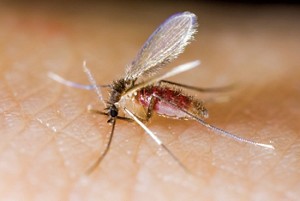
The bite of the female sand fly Phlebotomus argentipes transmits the Leishmania parasite to humans.
A recent study by an international team brings more bad news for those exposed to arsenic in drinking water: The troublesome chemical element may be helping a parasite develop drug resistance.
Transmitted to humans through the bites of infected female sand flies, the Leishmania donovani parasite causes a disease—visceral leishmaniasis—that afflicts close to 300,000 people in India each year and is fatal if not treated. For more than six decades, drugs based on antimony had been widely used to treat visceral leishmaniasis, which can cause fever, anemia, and swelling of the liver and spleen. But their efficacy has inexplicably declined in India.